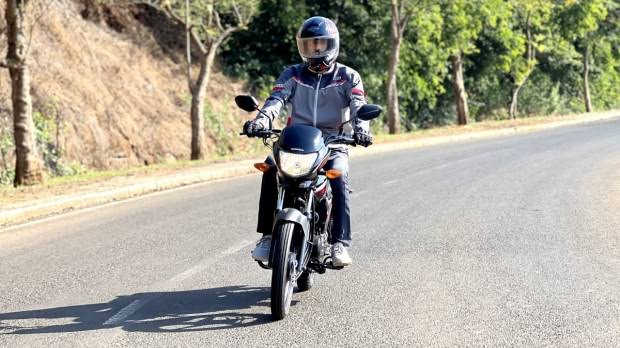
Walk into any showroom and the bike that catches your eye is rarely the one that suits your daily life. A sharp sports bike looks great under the lights, but it can feel very different after 40 minutes of stop-and-go traffic with a sore wrist and a fuel light blinking.
Knowing how to choose your first bike in India starts with one honest question: what does your normal day on two wheels actually look like? Answer that first and the right bike type, engine size and budget follow naturally. This guide shows you how to match a bike to your ride, work out the real cost of owning it, and check fit and safety before you sign anything. For a full rundown of the different types of bikes in India, the category guide on Khelo24race Blogs is a useful companion.
Before you compare models, write down the answers to five questions:
These answers matter more than horsepower or styling. They tell you which type of bike will make your everyday riding easier rather than harder.
| Your daily ride | Bike type to consider | Typical engine size | Why it fits |
|---|---|---|---|
| Short city commute, heavy traffic | Commuter | 100–125cc | Light, easy to handle, best mileage |
| City riding plus weekend highway trips | Naked street or entry sports | 150–200cc | Enough power for overtaking, still manageable in traffic |
| Long highway runs, often with a pillion | Cruiser or tourer | 250–400cc | Relaxed seating, strong low-speed pull |
| Rough roads, villages or hills | Adventure or dual-sport | 200–450cc | Long-travel suspension, high ground clearance |
| Short urban trips, home charging available | Electric bike or scooter | Not applicable | Low running cost, no gears |
If you ride 20 to 25 km a day through traffic, a 100–125cc commuter is hard to beat. These bikes are light, simple and cheap to run, and almost every mechanic in the country knows how to service them. They're also forgiving while you learn clutch control and slow-speed balance.
If your weekdays are in the city but your weekends involve highway rides, look at 150–200cc naked or sports bikes. They have the extra power for safe overtaking but remain light enough for daily traffic. Pick an upright riding position over a racing crouch for your first bike; your wrists and back will thank you.
Regular long-distance rides with a pillion call for a cruiser or tourer in the 250–400cc range. These bikes are heavier, so make sure you can manage the weight at walking pace before you commit. If you're completely new to riding, consider a few months on a lighter bike first.
Potholes, unpaved village roads and hill climbs suit an adventure or dual-sport bike. Long-travel suspension and high ground clearance make bad roads far less punishing. The trade-off is seat height, which can be a problem for shorter riders.
If your rides are short and you can charge at home, an electric bike or scooter can make sense. One finance guide suggests electric options fit best when daily distances stay under 80 km and charging is easy to access.
The ex-showroom price is only the start. The on-road price adds registration, road tax and insurance, which can add roughly ₹8,000 to ₹25,000 depending on the bike and your state. A bike listed at ₹80,000 ex-showroom may cost ₹95,000 to ₹1 lakh on the road.
Then think about monthly running costs:
A bike that doesn't fit you will never feel safe, however good it is on paper. During your test ride, check:
Anti-lock brakes (ABS) are required on new bikes above 125cc, while smaller bikes must have at least a combined braking system (CBS). Beyond that, look for a front disc brake, tubeless tyres, a bright LED headlamp and a side-stand engine cut-off. Budget for a certified helmet as well. Both rider and pillion must wear an ISI-marked helmet.
Riders aged 16 to 18 can only be licensed for gearless two-wheelers up to 50cc. For a geared motorcycle, you need to be 18. Your first step is a learner's licence, which is valid for six months. You can apply for the permanent licence after 30 days and before it expires. While learning, display a red "L" on a white background at the front and rear of the bike.
The best first bike isn't the fastest or the flashiest; it's the one that makes your everyday ride easier. Start with your daily distance and the roads you use, then pick the bike type that fits them. Check the real on-road and running costs, make sure the bike fits your height and strength, and don't compromise on brakes or a good helmet. Get those basics right and your first bike will build confidence instead of stress. When you're ready to upgrade a few years from now, you'll know exactly what you want next.
Which type of bike is best for a beginner in India?
For most beginners, a 100–125cc commuter or a light 150–160cc naked bike is ideal. Both are easy to balance, forgiving in traffic and cheap to run. Choose based on your daily distance and whether you'll ride on highways.
How much should I budget for my first bike in India?
Plan for the on-road price, not just the ex-showroom figure. Registration, road tax and insurance can add ₹8,000 to ₹25,000. Also set aside money for a certified helmet, riding gloves and the first few services.
Is a 200cc bike too powerful for a first-time rider?
Not necessarily. Many new riders handle a 200cc bike well if it has an upright riding position and manageable weight. Take a long test ride, build up speed gradually and practise braking in a safe space before riding in heavy traffic.
Should I buy a new or used bike as my first bike?
A used bike costs less and hurts less if you drop it while learning. A new bike brings a warranty, the latest safety features and known service history. If you buy used, check the papers, service records and insurance carefully.
What should I check during a bike test ride?
Check whether your feet reach the ground comfortably, how heavy the bike feels when pushed, and how smooth the clutch and brakes are. Ride it in real traffic if possible, and test comfort for both rider and pillion.

This post has been authored and published by one of our premium contributors, who are experts in their fields. They bring high-quality, well-researched content that adds significant value to our platform.








Ride Connect is your online source for useful automobile guides, vehicle tips, maintenance advice, driving information, and automotive insights. Explore our latest content and stay connected with the world of automobiles.