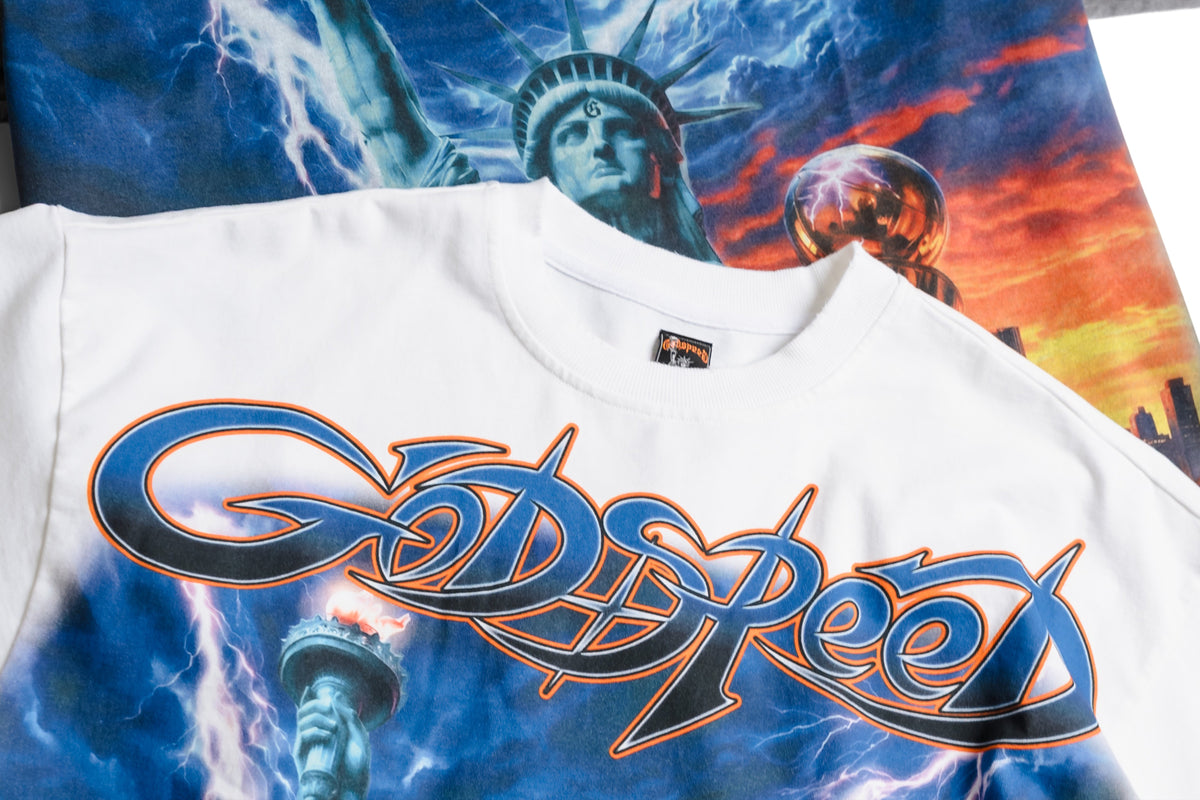
Screen printing is a printing method widely associated with graphic clothing, posters, and creative merchandise. The process transfers ink through a prepared mesh screen onto a chosen surface, allowing designs to be reproduced across multiple items. Its place in streetwear is especially interesting because printed graphics can communicate visual ideas, creative interests, and cultural references. Godspeed provides a starting point for exploring how printing techniques contribute to the wider relationship between clothing, graphic design, and contemporary street fashion.
Traditional screen printing involves preparing a mesh screen with a stencil that controls where ink passes through. Ink is then pushed across the screen using a squeegee, transferring the intended design onto the surface beneath it. Different colors may require separate screens or carefully planned printing steps. The final appearance depends on several factors, including the artwork, screen preparation, ink selection, printing technique, and surface being printed. Understanding these stages helps explain why the process requires both technical knowledge and careful attention to detail.
Graphics can give a garment a distinct visual identity, turning an otherwise simple clothing piece into a way to communicate an idea. Some designs use large illustrations, while others rely on small symbols, lettering, or restrained placement. Godspeed Clothing can be considered within this broader discussion of graphic streetwear, where printed imagery forms one part of how people interpret and style clothing. A graphic does not need to dominate an outfit to make an impression; its scale, position, and relationship with other pieces can all influence the overall effect.
Before printing begins, artwork needs to be prepared for the chosen process. Designers consider the size of the image, the number of colors, the clarity of fine details, and the relationship between different design elements. Very small features may require special attention to remain readable after printing. Color separation can also become important when a design includes multiple tones. Careful preparation helps reduce avoidable errors and makes the printing process more predictable, although the final result still depends on the equipment, materials, and printer's expertise.
The placement of a printed design can change how a shirt looks and how it works within an outfit. A centered graphic may create a strong focal point, while a smaller design placed elsewhere can produce a more understated appearance. A Godspeed Shirt can be considered when discussing graphic placement, provided any observations reflect the actual garment rather than assumptions about its printing method. When styling a graphic shirt, consider how the design interacts with outer layers, accessories, and the proportions of the rest of the outfit.
Color choices influence the visibility and mood of a printed graphic. Strong contrast can make a design easier to notice, while closely related shades may create a more subtle effect. The background color of the garment also affects how the artwork appears. Designers often test combinations before production because colors displayed on a screen may not match printed results exactly. Understanding contrast helps both designers and shoppers appreciate why the same graphic concept can look different depending on the colors and placement selected.
Printed designs can appear on a variety of clothing items, but each garment presents its own considerations. The available printing area, shape, fabric surface, and intended placement may influence the final result. Godspeed Shorts can be considered as a clothing category when discussing how designers plan graphics for garments beyond traditional shirts. Any specific printing approach should be determined by the actual product and production process. Considering the garment's form before designing the artwork helps create a more coherent relationship between the image and the clothing.
Quality control helps identify issues before printed garments reach customers. Printers may inspect alignment, ink coverage, color consistency, and the clarity of the finished design. The appropriate checks depend on the process and the product being produced. When problems are identified early, adjustments may prevent additional errors in later items. Clear production standards also help teams communicate expectations and assess whether finished work matches the approved design. Careful inspection is an important part of producing consistent results, even when the artwork itself is relatively simple.
Printed clothing should be cared for according to its actual care label and the instructions supplied by its maker. Different printing methods and garment materials may respond differently to washing, drying, and heat. Avoid assuming that every printed item requires exactly the same treatment. A Godspeed Hat, for example, should be cleaned according to its construction and care guidance rather than treated like a standard printed shirt. Checking the relevant instructions helps people make suitable care decisions without risking damage through unsuitable cleaning methods.
Screen printing appeals to artists and designers because it combines visual planning with a hands-on production process. Creators can experiment with illustrations, shapes, layered colors, and repeated patterns while learning how technical choices affect the finished image. Small projects can help beginners understand the relationship between artwork and printing limitations. More advanced work may involve several colors, precise registration, or specialized equipment. The process rewards patience and experimentation, making it a valuable technique for people interested in the connection between graphic art and clothing.
Screen printing is a method that transfers ink through a prepared mesh screen onto a surface. A stencil determines where the ink passes, allowing the design to be reproduced.
It can reproduce graphic designs across multiple garments and offers flexibility in artwork, color, and placement. Its suitability depends on the design, garment, and production requirements.
No. Clothing graphics can be produced using different methods, including direct-to-garment printing, heat transfers, and other techniques. The actual method depends on the product and manufacturer.
Placement influences visual balance and determines where attention is drawn. Large centered designs often create a focal point, while smaller graphics can produce a more understated appearance.
Follow the garment's care label and any instructions provided by the manufacturer. Suitable washing and drying methods can vary depending on the garment material and printing process.

Descubre qué revisar en el diseño, la forma y el ajuste de las gorras para elegir un modelo urbano que combine con tu estilo personal.







Ride Connect is your online source for useful automobile guides, vehicle tips, maintenance advice, driving information, and automotive insights. Explore our latest content and stay connected with the world of automobiles.