Personal style is more than choosing clothes that look fashionable. It reflects individual preferences, daily habits, creative interests, and the way someone wants to present themselves to the world. Streetwear makes this process especially interesting because it allows people to combine relaxed clothing, distinctive graphics, comfortable footwear, and unexpected details. Rather than following every trend, developing a signature look means identifying the elements that feel authentic and using them consistently.
The process does not happen overnight. Some people discover their preferences through music, art, skate culture, or city life, while others develop their style by experimenting with different silhouettes and colors. Paying attention to the outfits you naturally gravitate toward can reveal useful patterns. Over time, those patterns become the foundation of a wardrobe that feels recognizable without becoming repetitive.
Comfort is an important starting point when building a personal look. Clothing may appear attractive, but if it feels restrictive or does not suit your routine, you are unlikely to wear it regularly. Consider which fits make you feel confident, whether you prefer simple designs or noticeable graphics, and which garments work best for your everyday activities.
A practical way to explore these preferences is to review the clothing you wear most often. You may notice that relaxed trousers, oversized tops, neutral shades, or particular footwear appear repeatedly in your favorite combinations. These observations can help you understand your existing style instead of trying to create an entirely new identity from scratch. The aim is to refine what already feels natural.
Color can help bring different outfits together and make a wardrobe easier to coordinate. Neutral shades such as black, white, gray, navy, and cream offer a dependable foundation because they work with many other colors. Once you identify a few favorites, you can introduce stronger shades through graphic tops, outerwear, or accessories.
The Paly approach to personal styling can be understood through the value of balancing consistency with experimentation. You might rely on dark trousers and simple footwear while allowing your tops to introduce more color. Alternatively, a mostly neutral wardrobe can still feel distinctive through variations in texture and fit. A consistent palette does not mean every outfit must look identical; it simply makes individual pieces easier to combine.
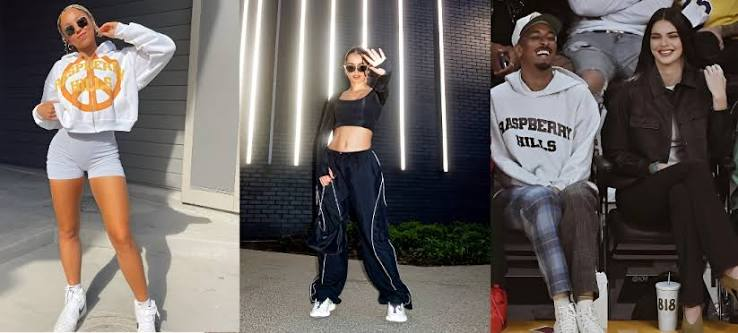
Streetwear often uses relaxed proportions, but the most effective outfits usually have some sense of balance. Oversized hoodies, roomy tees, and wide-leg trousers can create a laid-back silhouette, while more structured pieces add definition. Understanding how different shapes interact helps you build outfits that look deliberate rather than accidental.
Try pairing a roomy sweatshirt with straight-leg denim or wearing a boxy tee with trousers that have a cleaner shape. If you prefer wide-leg pants, a shorter or more fitted top can introduce contrast. These are starting points rather than strict rules, so experiment with different combinations until the proportions suit your taste. Your signature look should reflect your preferences, not force you into a particular silhouette.
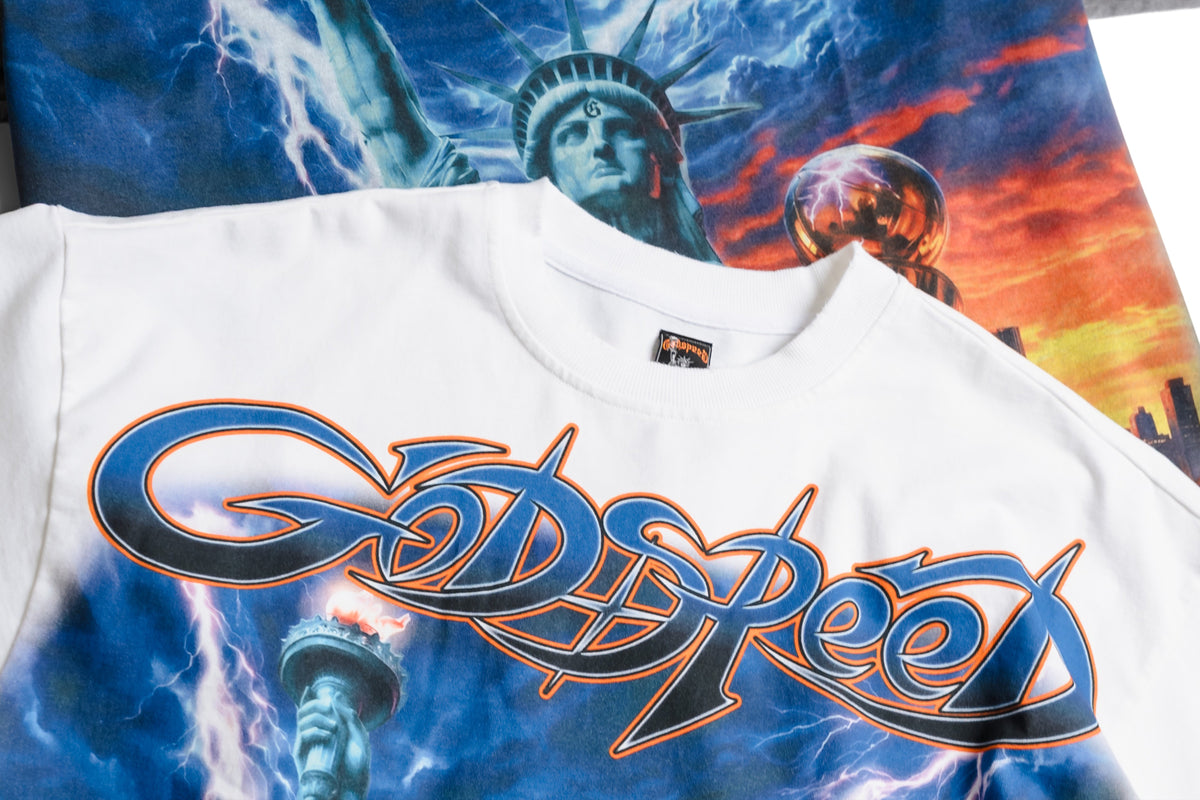
Graphics can give clothing a visual identity and introduce personal meaning into an outfit. Some people prefer small logos and subtle prints, while others enjoy larger artwork, distinctive lettering, or strong color contrasts. The most suitable choice depends on what you enjoy wearing and how prominently you want your clothing to communicate your personality.
A Palyhollywood inspired wardrobe can explore this idea by combining expressive pieces with dependable everyday essentials. A graphic top may become the centerpiece of an outfit when paired with uncomplicated trousers and clean sneakers. Alternatively, layering an open shirt over a printed tee can soften the overall appearance while adding dimension. Choosing designs that genuinely appeal to you makes personal styling feel more meaningful than simply copying a popular look.
A signature look becomes easier to maintain when you have a few outfit formulas that consistently work. These combinations provide a starting point for busy mornings while leaving room for small changes. For example, you might regularly wear relaxed denim, a graphic top, and casual sneakers, then adjust the colors or outerwear depending on the weather.
Another formula could combine wide-leg trousers with a simple sweatshirt and a cap. The individual pieces can change, but the overall proportions remain familiar. This creates a sense of continuity across different outfits without requiring you to wear the same combination every day. Keep track of the looks that feel comfortable and receive positive feedback, but make sure your own preferences remain the deciding factor.
Accessories can add personality without changing the entire outfit. Caps, bags, belts, watches, and understated jewelry all provide opportunities to introduce different textures or visual details. The right accessory should support the clothing rather than compete with every other element.
Start with one or two pieces that suit your daily routine. A cap may complement a relaxed outfit, while a practical shoulder bag can be useful when spending time away from home. If your clothing includes bold graphics, simpler accessories may help maintain visual balance. When wearing minimal clothing, a distinctive accessory can become the feature that makes the outfit feel more personal.
Developing a signature look does not require constant shopping. In fact, understanding your personal style can help you make more thoughtful purchasing decisions. Before adding a new item, consider whether it coordinates with your existing clothes, suits your preferred fit, and offers enough versatility to justify its place in your wardrobe.
Quality, comfort, and care are also important considerations. Follow garment care instructions, store clothing appropriately, and address minor repairs before they become larger problems. A favorite sweatshirt or pair of trousers may remain useful for years when it is treated carefully. Building around dependable pieces can create a wardrobe that evolves naturally rather than changing completely with every new trend.
A Paly Hollywood T Shirt can become a regular part of a signature look because it works with many different clothing combinations. Wear it with straight-leg denim for a classic casual outfit, pair it with relaxed shorts during warmer weather, or layer it beneath a jacket when temperatures fall. The same garment can feel different depending on its fit, accompanying colors, and the footwear you choose.
Pay attention to the details that influence the final result. Sleeve length, fabric weight, neckline, and overall proportions can all affect how a shirt works with the rest of an outfit. A graphic design may provide a focal point, while a simpler version can support more expressive trousers or accessories. Choosing a versatile style gives you more opportunities to develop recognizable combinations.
Fashion inspiration can come from many places, including music performances, street photography, films, creative communities, and people you encounter in everyday life. Collecting ideas can help you discover unfamiliar combinations and understand why certain outfits appeal to you. However, inspiration works best when it encourages experimentation rather than direct imitation.
When you find a look you admire, identify the specific element that attracts you. It might be the color palette, the contrast between loose and fitted clothing, or the way accessories are used. Try adapting that element with pieces you already own. This approach allows you to learn from different influences while creating something that suits your personality and practical needs.
Start by identifying the colors, fits, and garments you enjoy wearing most. Experiment with different combinations, notice which outfits feel natural, and gradually build around the elements that reflect your preferences.
No. It means developing recognizable preferences that can appear in different combinations. You can change colors, layers, accessories, and individual garments while maintaining a consistent personal aesthetic.
Yes. Use your existing wardrobe creatively, focus on versatile essentials, and purchase new pieces selectively. Changing proportions or accessories can refresh familiar outfits without requiring frequent shopping.
Choose trends that fit your preferences rather than adopting every popular style. Incorporate selected details into outfits you already enjoy, keeping comfort and personal expression at the center of your decisions.
A signature streetwear look develops through observation, experimentation, and consistent choices. Understanding your preferred colors, balancing proportions, selecting meaningful graphics, and using accessories thoughtfully can help create a recognizable personal aesthetic. These elements do not need to remain fixed; they can evolve as your interests, routines, and tastes change.
The most important part of personal style is feeling comfortable with the clothing you choose. When your wardrobe reflects your personality and supports your daily life, getting dressed becomes a simpler and more enjoyable experience. Instead of chasing every trend, focus on building combinations that feel authentic, versatile, and distinctly your own.

Descubre qué revisar en el diseño, la forma y el ajuste de las gorras para elegir un modelo urbano que combine con tu estilo personal.





Ride Connect is your online source for useful automobile guides, vehicle tips, maintenance advice, driving information, and automotive insights. Explore our latest content and stay connected with the world of automobiles.