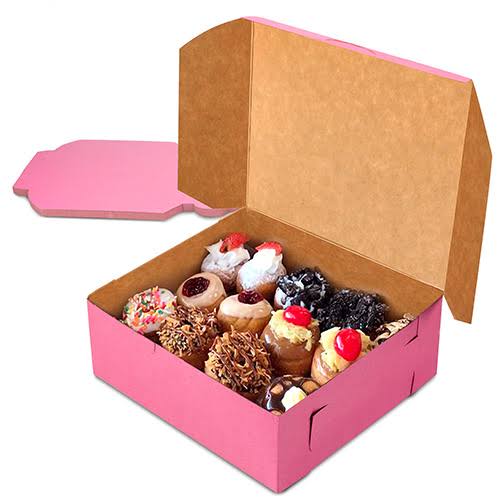
Cardboard bakery boxes are an essential packaging solution for bakeries, cake shops, home bakers, cafes, and confectionery businesses. They help protect baked goods during handling, support convenient transportation, and create an attractive presentation for customers. From decorated birthday cakes and cupcakes to cookies, brownies, pastries, and doughnuts, the right packaging helps keep bakery products organized and ready for sale or delivery.
As competition in the bakery industry continues to grow, packaging has become more than a simple container. It can communicate a brand's identity, improve the customer experience, and help businesses present their products professionally. Cardboard bakery boxes are available in different sizes, shapes, materials, and designs, allowing businesses to select packaging according to their products and budget.
Whether you run a small home bakery or a busy commercial operation, choosing suitable cardboard bakery boxes can make everyday packaging easier and more consistent.
Cardboard bakery boxes are paper-based packaging containers designed to hold and transport baked goods. Depending on their intended use, they may be manufactured from paperboard, kraft board, or corrugated cardboard.
Lightweight paperboard boxes are commonly suitable for cookies, pastries, cupcakes, and smaller cakes. Stronger corrugated options may be preferable for heavier products or packaging that requires additional structural support during transportation.
These boxes come in various configurations, including folding cartons, cake boxes with separate lids, cupcake boxes with inserts, and bakery boxes with transparent display windows.
Businesses can also choose custom dimensions and printed designs to suit their products and brand identity.
Freshly baked products can be delicate. Cake decorations may be damaged, cookies can break, and pastries can lose their shape if packaging is poorly selected.
cardboard bakery boxes help protect products from routine handling, dust, and direct contact with surrounding objects. A properly sized box also helps prevent baked goods from sliding around during transportation.
For cakes, a suitable cake board can provide additional base support. Cupcake boxes may use inserts to keep individual cupcakes separated and upright.
However, cardboard alone does not guarantee complete protection against moisture, crushing, or rough handling. Select the appropriate material and structure for the product, and use additional cushioning or support when needed.
Presentation is important when customers purchase cakes, cookies, and other baked treats for celebrations or gifts. A clean, well-designed box can make products look more professional and appealing.
White cardboard boxes offer a simple, classic appearance, while kraft boxes create a natural and understated style. Custom-printed packaging allows businesses to display their logos, brand colors, and promotional messages.
For products with decorative toppings or colorful designs, a window box can allow customers to see the baked goods without opening the package, provided the window material is suitable for the intended use.
Cardboard bakery boxes are available in designs that can be assembled quickly and stored flat before use. Flat-packed boxes help businesses save storage space and prepare packaging when orders arrive.
Many designs are also easy to stack when empty, although assembled boxes containing cakes or other delicate products should be stacked only when the construction and contents can safely support the load.
For bakeries handling large numbers of takeaway and delivery orders, practical packaging can help streamline packing operations and reduce unnecessary handling.
Cardboard bakery boxes are available at different price points, making them suitable for home bakers, independent shops, and larger bakery chains.
Standard boxes can be an economical option for businesses that need simple, functional packaging. Custom-printed boxes may require higher initial costs, particularly when printing plates, special finishes, or minimum order quantities apply.
Buying in bulk may reduce the cost per box. Businesses should compare the total cost, including shipping, storage, customization, and potential waste, before placing large orders.
Cake boxes are designed to accommodate cakes of different sizes and heights. They may feature folding construction, separate lids, or other closures depending on the design.
Small cake boxes can be suitable for individual desserts and mini cakes, while larger options can accommodate birthday cakes, celebration cakes, and certain layered designs.
When selecting a cake box, measure the cake board and the height of the finished cake, including frosting and decorations. The box should provide sufficient clearance without allowing excessive movement.
Cupcake boxes are designed to hold individual cupcakes or multiple portions. Some feature inserts with individual openings that help keep cupcakes separated during transport.
These boxes are useful for bakeries selling cupcakes by the piece, in small gift sets, or in larger party orders.
Choose an insert that fits the cupcake base securely while allowing enough vertical clearance for frosting and decorations.
Cookie boxes provide a convenient way to package biscuits, brownies, shortbread, and other small baked products.
Depending on the product and design, these boxes may be plain, printed, windowed, or divided into sections. Inserts and food-safe liners can help organize individual pieces and reduce movement.
For products that are sensitive to moisture, cardboard packaging may need to be combined with an appropriate inner bag or barrier to maintain quality.
Pastry boxes can accommodate croissants, muffins, doughnuts, tarts, and other bakery items. Their dimensions should allow products to sit comfortably without being compressed.
Greasy or moist pastries may require a suitable food-contact liner or barrier. Always confirm that the materials used are appropriate for the type of food being packaged.
Kraft bakery boxes have a natural brown appearance that works well for artisan bakeries, handmade treats, and minimalist branding.
They can be left plain or customized with logos, stickers, labels, and printed artwork.
Kraft packaging can be a useful choice for brands seeking a natural look, but its environmental benefits depend on the actual material composition, coatings, and local recycling options.
Custom packaging gives bakeries an opportunity to make their products recognizable. Instead of using generic packaging for every order, businesses can create a consistent look that reflects their brand.
Common customization options include:
Logo printing: Display the bakery's name and logo.
Custom colors: Match the box design to the brand's visual identity.
Printed messages: Add thank-you notes, serving instructions, or promotional messages.
Window designs: Showcase products where appropriate.
Custom dimensions: Create boxes for specific cakes, pastries, or product combinations.
Inserts and dividers: Keep cupcakes, cookies, and assorted treats organized.
A good design should remain readable and attractive without overcrowding the available space. Before approving a bulk order, review a sample or digital proof to check print quality, dimensions, and assembly.
Many bakeries are exploring packaging options that reduce unnecessary plastic and support more responsible material choices.
Depending on the supplier, cardboard bakery boxes may be available with recycled content, responsibly sourced paperboard, or recyclable components. Choosing appropriately sized packaging can also reduce material use.
However, not every cardboard box is automatically recyclable or suitable for direct food contact. Laminations, grease-resistant coatings, adhesives, inks, and transparent windows can affect disposal options and material suitability.
Businesses should confirm that packaging materials are appropriate for their baked goods and ask suppliers for relevant food-contact documentation. If the packaging is intended to touch food directly, use materials specifically designed and verified for that purpose.
Clear recycling guidance and accurate environmental claims can help customers make informed disposal decisions.
Choosing suitable bakery food packaging begins with understanding the products you sell.
Measure your baked goods: Consider the product's width, length, height, decorations, and any cake board or insert required.
Select the right material: Lightweight paperboard may work for cookies and small pastries, while stronger construction may be necessary for heavy cakes or delivery applications.
Consider food contact: Confirm that the box, liner, coatings, and other components are suitable for the intended food-contact conditions.
Check moisture and grease resistance: Buttercream, oily pastries, and moist desserts may require compatible liners or barriers.
Evaluate assembly and storage: Flat-packed designs can help save storage space and simplify daily operations.
Test the packaging: Place representative products inside the box and check the fit, closure, handling, and transportation performance before ordering in bulk.
These steps can help reduce product damage, packaging waste, and avoidable expenses.
Wholesale cardboard bakery boxes can help businesses maintain a reliable packaging supply and potentially reduce unit costs.
Before choosing a supplier, compare minimum order quantities, material quality, available sizes, customization charges, production schedules, and delivery costs.
Ask whether samples are available and whether the supplier can maintain consistent dimensions and print quality across repeat orders. For custom packaging, confirm the final artwork, material specifications, and expected delivery date before production begins.
Smaller businesses may benefit from starting with standard sizes and adding branded stickers or labels. As sales increase, they can consider custom-printed packaging and larger orders.
The best wholesale arrangement is one that balances cost, quality, storage requirements, and the bakery's expected demand.
Cardboard bakery boxes provide a practical way to package, protect, and present cakes, cupcakes, cookies, pastries, and other baked goods. With different materials, sizes, closures, and printing options available, bakeries can choose packaging that suits their products and business requirements.
From simple kraft boxes to custom-printed cake packaging, the right design can improve presentation, support convenient transportation, and create a consistent brand experience.

This post has been authored and published by one of our premium contributors, who are experts in their fields. They bring high-quality, well-researched content that adds significant value to our platform.







Ride Connect is your online source for useful automobile guides, vehicle tips, maintenance advice, driving information, and automotive insights. Explore our latest content and stay connected with the world of automobiles.